Energy-efficient home construction begins long before insulation is installed or equipment is connected. The home’s size, layout, orientation, materials, windows, and mechanical systems all influence how much energy it will use and how comfortable it will feel.
A well-planned home can reduce unnecessary heating and cooling demands while improving indoor comfort and moisture control. These benefits depend on how well the complete building works together, not one product or technology alone.
Buildwith3h helps Port Orchard homeowners coordinate energy-conscious design, material selection, construction, and home improvements from the planning stage through completion.
Begin With an Energy-Efficient Design
Energy performance should be considered during the earliest planning stages of a new home.
Once the layout, roof shape, window locations, and mechanical spaces are established, major changes can become difficult and expensive. Early coordination helps homeowners compare options before materials are ordered or construction begins.
The design process should consider:
Home size
Room layout
Building orientation
Window placement
Roof design
Insulation areas
Heating and cooling systems
Plumbing routes
Natural lighting
Household needs
A larger or more complicated home generally requires more materials and energy to operate. Reducing unnecessary hallways, unused rooms, and difficult roof or wall transitions can simplify construction and improve performance.
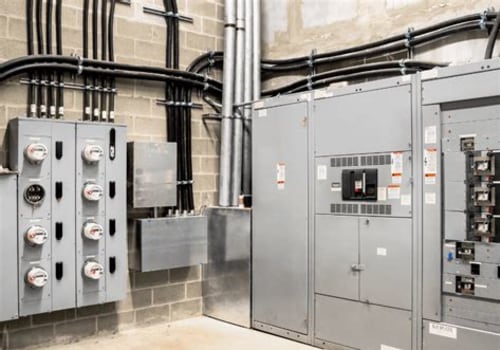
Mechanical equipment, water heaters, electrical panels, and utility connections should also have suitable locations with enough access for future service.
Energy efficiency should support the way the household actually lives. The home still needs practical storage, comfortable rooms, natural light, and convenient movement between spaces.
Design for Port Orchard’s Climate
A home in Port Orchard should be designed with local rain, moisture, cooler temperatures, and seasonal weather changes in mind.
Roofing, siding, windows, drainage, ventilation, and insulation should work together to protect the structure and maintain comfortable indoor conditions.
Important climate-related considerations may include:
Roof drainage
Gutter and downspout locations
Exterior flashing
Moisture-resistant assemblies
Crawl-space conditions
Indoor ventilation
Window exposure
Sunlight and shade
Wind exposure
Site drainage
Water should be directed away from the roof, walls, foundation, walkways, and outdoor structures. Poor drainage can damage insulation, framing, siding, interior finishes, and foundation areas.
The position of the home may also affect sunlight and indoor temperature. Window placement can provide useful daylight, but too much exposed glass may create glare or unwanted temperature changes.
A design suited to the property and climate can reduce moisture problems while making the home more comfortable throughout the year.
Build a High-Performance Home Envelope
The building envelope includes the roof, exterior walls, foundation, windows, and doors that separate indoor living areas from outdoor conditions.
A high-performance envelope limits unwanted movement of air, heat, and moisture.
Its main parts may include:
Framing
Sheathing
Insulation
Air barriers
Weather-resistant barriers
Flashing
Roofing
Siding
Windows
Exterior doors
These materials must connect properly at corners, rooflines, foundations, openings, and utility penetrations.
Small gaps around pipes, wiring, vents, windows, and framing transitions can reduce the performance of the entire system. Water entering through poorly detailed flashing may also damage materials that were originally selected for energy efficiency.
The contractor should coordinate each layer instead of treating insulation, siding, windows, and roofing as unrelated installations.
Concealed work should be inspected before drywall, siding, or finish materials cover it. Correcting gaps and incomplete connections is much easier while these areas remain accessible.
Choose the Right Insulation
Insulation helps slow heat movement through walls, ceilings, floors, foundations, and other parts of the home.
The right insulation depends on where it will be installed, the surrounding materials, moisture exposure, and the design of the building assembly.
Common areas requiring insulation include:
Attics
Exterior walls
Floors over unheated spaces
Crawl spaces
Foundations
Rim joists
Vaulted ceilings
Areas around framing transitions
Installation quality matters as much as the product.
Gaps, compression, missing sections, and poorly fitted materials can create weak points. Insulation should fit around wiring, pipes, framing, and other components without leaving unnecessary open areas.
Wet insulation may lose performance and hold moisture against nearby materials. Roofing, flashing, plumbing, and drainage problems should be corrected before insulation is enclosed.
The insulation system should also work with the home’s air sealing and ventilation plan. Adding more insulation alone will not correct uncontrolled air leaks or ongoing moisture problems.
Reduce Air Leakage
Uncontrolled air movement can carry heat and moisture through gaps in the building envelope.
Common leakage areas include:
Window and door frames
Plumbing penetrations
Electrical openings
Exhaust vents
Attic access points
Rim joists
Wall and ceiling transitions
Foundation connections
Utility openings
These areas should be sealed with materials suited to the location and surrounding construction.
Air sealing should be coordinated before drywall, flooring, cabinets, and other finish materials make the openings difficult to reach.
Required ventilation and drainage paths must remain open. Sealing every visible opening without understanding its purpose can interfere with equipment, moisture control, or building ventilation.
A tighter home can improve comfort and reduce drafts, but it also needs planned ventilation to manage humidity and indoor air quality.
Testing may be used when the project requires more detailed information about how much air is moving through the completed building envelope.
Install Energy-Efficient Windows and Doors
Windows and exterior doors affect heat movement, air leakage, daylight, ventilation, and moisture protection.
Product selection should consider:
Frame construction
Glass performance
Number of panes
Low-emissivity coatings
Weatherstripping
Locking and sealing points
Sun exposure
Room location
A high-performance window may still allow drafts or water intrusion when it is installed poorly.
Flashing, sealants, weather-resistant barriers, and exterior trim should connect correctly around the opening. These details help direct water away from framing and insulation.
Window placement should also match the way each room is used. Larger windows may provide daylight and outdoor views, but too much exposed glass can lead to glare or unwanted temperature changes.
Exterior doors should fit securely within their frames and close without large gaps. Thresholds and weatherstripping should limit air and water movement while allowing the door to operate properly.
The products and installation details should be reviewed together instead of choosing windows and doors based only on appearance.
Use Natural Light and Passive Design
Natural light can reduce the need for electric lighting during the day and make interior spaces feel more open.
Window placement should consider the direction of sunlight, nearby trees, neighboring buildings, roof overhangs, and the way each room will be used.
Passive design strategies may include:
Positioning living spaces for useful daylight
Using roof overhangs for seasonal shade
Limiting unnecessary glass in exposed areas
Placing windows to support natural airflow
Using interior finishes that reflect light
Protecting rooms from excessive glare
More glass does not always result in a more efficient home. Large windows may increase unwanted heat movement when they are poorly placed or not suited to the local climate.
Exterior shading, covered porches, window treatments, and landscaping can help manage direct sunlight.
Passive design should support the home’s comfort without making the layout awkward or reducing privacy. The goal is to use natural conditions thoughtfully rather than depending entirely on mechanical systems and artificial lighting.
Select Efficient Heating and Cooling Systems
Heating and cooling equipment should be selected for the completed home rather than chosen only by equipment size or brand.
An oversized system may cycle frequently and operate less effectively. An undersized system may struggle to maintain comfortable temperatures.
System planning should consider:
Home size and layout
Insulation levels
Air leakage
Window performance
Room use
Local climate
Household preferences
Equipment location
Available options may include heat pumps, furnaces, air-conditioning systems, or combinations suited to the property.
Ductwork should be planned early. Long, poorly sealed, or poorly placed ducts can lose conditioned air before it reaches the living space.
Equipment should remain accessible for filter changes, maintenance, repairs, and eventual replacement. It should not be placed where cabinets, storage, or finish work block service areas.
Thermostats and zoning controls may help manage comfort in different parts of the home, but the system should remain straightforward enough for household members to operate.
Plan Effective Ventilation
Energy-efficient homes are often designed to reduce uncontrolled air leakage. They still need planned ventilation to manage moisture, odors, and indoor air quality.
Bathrooms and kitchens should have exhaust systems that vent to suitable exterior locations.
Ventilation planning may also address:
Everyday household humidity
Cooking moisture and odors
Bathroom steam
Laundry areas
Mechanical equipment
Crawl spaces
Attics
Whole-home fresh-air systems
Exhaust fans should be sized and located for the room they serve. Duct routes should be planned to limit unnecessary bends and allow air to leave the home properly.
Fans should not discharge moisture into attics, crawl spaces, or enclosed wall cavities.
A tighter building envelope and a well-planned ventilation system should support one another. Air sealing without controlled ventilation may allow indoor moisture and pollutants to build up.
The completed system should balance energy performance with comfortable and healthy indoor conditions.
Choose Efficient Water-Heating and Plumbing Systems
Water heating can account for a meaningful part of a home’s energy use.
The right system depends on household size, expected hot-water demand, available utilities, equipment space, and budget.
Planning should consider:
Water-heater type
Equipment capacity
Installation location
Distance to fixtures
Pipe routing
Maintenance access
Future replacement
Household usage patterns
Long pipe runs can increase the time it takes hot water to reach a fixture and allow energy to escape from the piping.
Locating bathrooms, kitchens, laundry areas, and water-heating equipment thoughtfully may reduce unnecessary plumbing distances. Suitable hot-water pipes can also be insulated to limit heat loss.
Water-saving faucets, showerheads, and toilets may reduce water use without making the home less functional.
Shutoff valves should remain visible and accessible. Water heaters and plumbing equipment also need enough room for inspection, service, and replacement.
Efficient plumbing design should support both lower resource use and practical daily operation.
Install Efficient Lighting and Appliances
Lighting and appliances should be selected as part of the home’s overall energy plan.
Efficient lighting can reduce electricity use while still providing enough brightness for daily tasks. Fixture placement should match how each room will be used rather than relying on a single central light.
Lighting plans may include:
Task lighting
General room lighting
Exterior lighting
Dimmer controls
Occupancy sensors
Daylight-responsive controls
Efficient bulbs and fixtures
Switches and controls should be located where they are easy to reach and understand.
Appliances should also be compared based on energy use, water use, capacity, and expected household demand. A larger appliance may consume more resources without providing a useful benefit for the household.
Installation requirements should be reviewed before cabinets, plumbing, wiring, and ventilation are finalized. Refrigerators, ranges, dishwashers, dryers, and other equipment need appropriate clearances and utility connections.
The purchase price is only one part of the cost. Energy use, maintenance, and expected service life also affect the long-term value of the product.
Consider Renewable Energy Systems
Renewable energy systems can reduce the amount of electricity a home draws from conventional sources.
Solar panels are one of the most common residential options, but the property should be evaluated before they are added to the design.
Important factors may include:
Roof direction
Roof pitch
Shade
Structural capacity
Available roof area
Electrical service
Household energy use
Future landscaping
Equipment location
Solar planning should account for roof penetrations, flashing, wiring routes, and future roof maintenance.
Homeowners who are not ready to install a complete system may still prepare the home for a future installation. This may involve planning electrical pathways, equipment space, or roof areas that remain clear of unnecessary obstructions.
Battery storage and backup power can be reviewed separately based on household goals, cost, and expected use.
Renewable energy should support an efficient home rather than replace basic building performance. Insulation, air sealing, windows, and efficient equipment should still be addressed first.
Add Smart Energy Controls
Smart controls can help homeowners understand and adjust how energy is used throughout the home.
Common options may include:
Programmable thermostats
Smart thermostats
Lighting timers
Occupancy sensors
Smart plugs
Energy monitors
Automated window coverings
Equipment scheduling
A thermostat can reduce unnecessary heating or cooling when the home is unoccupied or when household routines change.
Lighting controls may prevent fixtures from remaining on in unused rooms. Energy monitors can also help identify equipment or habits that contribute to higher utility use.
Technology should remain practical and easy to operate. A complicated system that household members avoid using may provide little benefit.
Controls should also allow basic manual operation when internet service, applications, or connected devices are unavailable.
Smart systems work best when they support an efficient building and well-sized equipment rather than attempting to correct poor insulation, air leakage, or inefficient appliances.
Select Sustainable Construction Materials
Sustainable material selection involves more than choosing products marketed as environmentally friendly.
Homeowners and builders should consider:
Durability
Maintenance needs
Expected service life
Local availability
Transportation
Recycled content
Renewable sourcing
Repairability
Indoor air quality
Disposal or reuse
A durable material that lasts for many years may create less waste than a lower-cost product that needs frequent replacement.
Reclaimed wood, recycled steel, recycled glass, and other reused materials may be suitable for certain parts of the project. Their condition and performance should still be reviewed before installation.
Bamboo, cork, and other renewable materials may offer additional options for flooring and finishes when they are appropriate for the room and expected use.
Low-VOC paints, adhesives, sealants, and finishes can support better indoor air quality during and after construction.
Environmental claims should be reviewed carefully. The material still needs to meet the project’s structural, moisture, safety, and performance requirements.
Reduce Construction Waste
Construction waste can be reduced through careful planning, ordering, storage, and disposal.
The project team should estimate material quantities before ordering. Too little material can cause delays, while too much may create unnecessary cost and waste.
Waste-reduction practices may include:
Reusing suitable existing materials
Ordering accurate quantities
Protecting materials from rain
Storing products correctly
Separating recyclable materials
Donating usable fixtures or finishes
Planning cuts to reduce scraps
Returning unopened products when allowed
Demolition should be planned before work begins. Some cabinets, doors, hardware, flooring, and fixtures may be suitable for reuse when they can be removed without damage.
Materials stored outside should be protected from moisture, dirt, and impact. Damaged insulation, drywall, wood, and finish materials may need to be discarded before they are ever installed.
Waste handling should also be included in the construction agreement. The proposal should explain who will provide containers, remove debris, separate materials, and complete final cleanup.
Balance Upfront Cost With Long-Term Value
Energy-efficient materials and systems may cost more at the beginning of a construction project, but the lowest initial price does not always provide the best long-term value.
Homeowners should compare:
Purchase price
Installation cost
Expected energy use
Maintenance needs
Product lifespan
Repair costs
Replacement timing
Possible utility savings
The building envelope should usually receive priority. Insulation, air sealing, moisture protection, windows, and proper installation influence the home’s performance for many years.
Optional technology can sometimes be added later, but correcting poorly installed insulation or concealed air leaks may require opening finished walls and ceilings.
Homeowners can separate the project into essential efficiency measures and future upgrades. For example, the home may be designed for solar panels even when the full system is not installed during the original construction.
Material cost should also be considered alongside installation quality. An expensive product may perform poorly when it is installed incorrectly or used in the wrong location.
The budget should include enough flexibility for product changes, design revisions, and concealed conditions discovered during construction.
Understand Permits and Energy Requirements
Permit and inspection requirements depend on the property, building design, and complete project scope.
Energy-efficient home construction may involve:
Building permits
Electrical permits
Plumbing permits
Mechanical permits
Structural review
Insulation inspections
Renewable energy permits
Final occupancy approval
Construction plans may need to identify insulation levels, window specifications, heating and cooling equipment, ventilation, lighting, and other energy-related details.
Requirements should be confirmed for the actual Port Orchard property rather than assumed from another project.
The construction agreement should state who will prepare plans, submit applications, pay permit fees, schedule inspections, and respond to corrections.
Work may need to remain visible until the required inspection is complete. Covering insulation, framing, wiring, plumbing, or mechanical components too early can lead to delays and added work.
Keeping approved plans and product information available during construction can make inspections and final documentation easier to manage.
Choose a Contractor With Energy-Efficient Building Experience
Energy-efficient construction requires coordination between design, framing, insulation, air sealing, windows, plumbing, electrical work, ventilation, and mechanical systems.
Ask potential contractors about projects that used similar materials and building methods.
Useful questions may include:
How is insulation quality inspected?
Who completes the air sealing?
How are windows and exterior openings flashed?
How are plumbing and electrical penetrations sealed?
Who designs or sizes the mechanical systems?
How is ventilation coordinated?
What testing may be completed?
Who handles permits and inspections?
Request detailed estimates that identify products, materials, allowances, subcontracted work, and performance-related responsibilities.
The contractor should also explain how concealed work will be reviewed before drywall, siding, or other finishes are installed.
Choose a company that treats energy efficiency as a complete building strategy instead of a short list of upgraded products.
Clear supervision and communication are especially important because mistakes in one trade can affect the performance of several other systems.
Build an Efficient Home From the Ground Up
An energy-efficient home is created through a series of connected decisions.
The layout affects sunlight and mechanical planning. Framing affects insulation. Windows affect comfort and air leakage. Plumbing routes affect water-heating performance. Ventilation affects moisture and indoor air quality.
The strongest projects prioritize:
Moisture protection
Site drainage
Insulation
Air sealing
Efficient windows and doors
Properly sized equipment
Controlled ventilation
Efficient water systems
Durable materials
Careful installation
Solar panels, smart controls, and other technology can provide additional benefits, but they work best when the home already has a strong building envelope and efficient systems.
Planning these features together can help reduce wasted energy, improve comfort, and create a home that remains practical to operate and maintain.
Buildwith3h helps Port Orchard homeowners coordinate energy-conscious design, material selection, construction, mechanical systems, and residential improvements.
Contact us to discuss your home construction plans and explore practical ways to improve comfort, efficiency, and long-term performance.